Whoa! I remember the first pricey mistake I made on-chain. My gut said “don’t send that”; I ignored it and paid the gas for a bad trade anyway. At first I blamed the protocol. Then I blamed the UI. Actually, wait—let me rephrase that: I blamed myself, my impatience, and the horrible wallet UX that hid the risks. Something felt off about signing everything with blind trust. Seriously? Yep. My instinct said the tools should protect users, not just enable trades.
Okay, so check this out—DeFi isn’t just about yields and APYs. It’s about permissions, mempool realities, and tiny UI nudges that decide whether you lose 0.1 ETH or gain 0.5. On one hand, wallets need to be light and fast; on the other hand, they must model complex blockchain behavior before you hit “confirm”. Initially I thought a wallet’s job was only key management, but then realized that transaction simulation, approval control, and portfolio visibility are equally critical. Hmm… I got obsessed with one capability: realistic transaction simulation.
Here’s what bugs me about most wallets: they show you an approval request with token amounts and a big confirm button. But they fail to show what happens if the swap reverts, or if slippage and front-running change the final outcome. That single omission is very very important. A good wallet should let you run the trade off-chain, surface likely failure modes, estimate final balances after fees and slippage, and warn you about sandwich or MEV risk. I wanted somethin’ that does that. So I hunted for a tool that treated the transaction like code—something you could test before executing.
Why simulation + security is more than a buzzword
Simulation reduces surprises. It catches reverts and shows you the probable end state. It also reveals whether a contract will call an allowance you didn’t expect. On complicated routes that touch several pools and bridges, simulation helps you see the dust trail. On the flip side, simulation isn’t perfect; it depends on the RPC node, mempool state, and gas assumptions. So you still need risk judgment. Still, the practical gain is huge—fewer lost funds, fewer “oh no” moments.
I’ll be honest: integrating with a wallet that offers transaction simulation changed how I approach DeFi. I started batching trades differently. I started setting custom gas strategies only when a simulation showed benefit. And yes, my P&L improved marginally—but more importantly, my stress level dropped. There’s a psychological thing here: knowing the likely result before you sign reduces impulsive decisions. (Oh, and by the way, it makes hardware wallet prompts way less scary.)
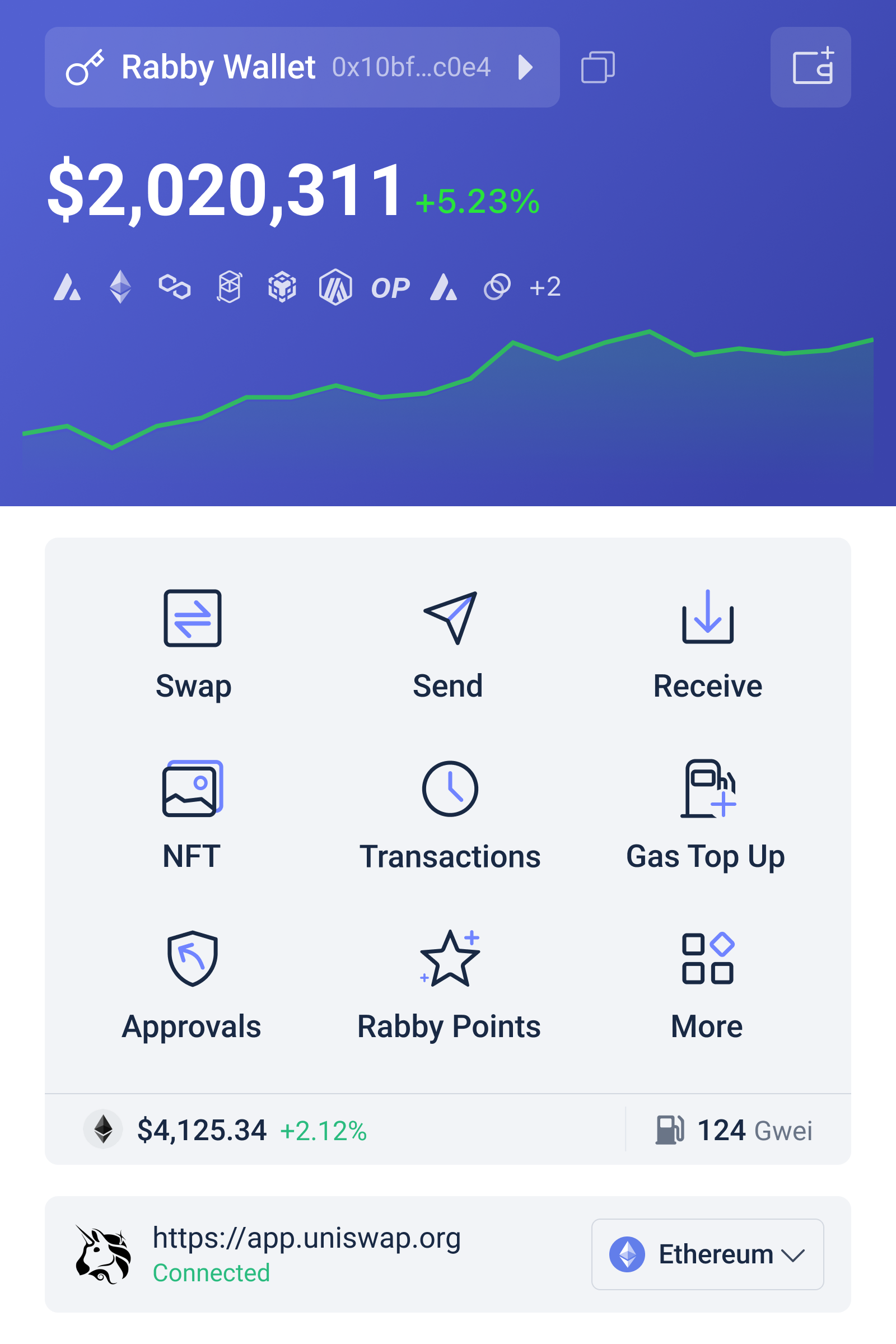
One tool I kept coming back to during my tests was rabby wallet. It offered a nice balance of transaction simulation, allowance management, and portfolio tracking without feeling bloated. At first glance the UI was approachable, but under the hood it exposed useful data: explicit approval scopes, gas estimation breakdowns, and a simulated execution trace. Initially I thought a simple toggle for advanced options would be enough, but then realized you want simulation to be default for complex ops. That subtlety matters.
Risk controls deserve a paragraph on their own. Short sentence: don’t overapprove. Medium sentence: limit allowances to specific contracts, and revoke unused permissions frequently. Longer thought: when a wallet shows you a single approval entry that’s for “infinite” spend, and you accept because it’s convenient, you’re effectively gifting control; you should be able to audit and rollback those grants with a couple clicks, or better yet, never issue them in the first place unless the protocol demands it and you’ve vetted the address.
Gas and MEV mechanics—ugh, they’re messy. Some wallets only expose a “gas price” slider. That’s not enough. You want EIP‑1559-aware fee recommendations, priority fee suggestions tied to pending pool depth, and optional MEV protection when possible. Not always necessary, but when you’re interacting with low-liquidity pools or high-value trades, those features change outcomes. My experiments showed that adding a small priority fee or re-timing a tx by 30–90 seconds reduced slippage and front-running attempts on several occasions.
Portfolio tracking isn’t glamorous, but it matters. Medium: it’s painful to have assets scattered across chains and lose track. Longer: a wallet that consolidates positions, shows impermanent loss, and links open positions to their originating smart contracts helps you make better decisions—like rebalancing or closing risky positions before a rug happens. I used to juggle spreadsheets (yes, spreadsheets…). Now I glance at the aggregated overview and make quicker calls.
Multi-account flows are underrated. Short: separate accounts for yield farming vs daily use. Medium: a good wallet makes switching and signing context-aware so you don’t mess up which address interacts with which protocol. Long: imagine accidentally using your main deposit wallet to approve a dubious contract because the UI didn’t clearly indicate the active account—I’ve seen it happen, and recovery is ugly.
Security hygiene: hardware wallet support, mnemonic handling, and clear seed backup flows are baseline. But beyond that, look for a wallet that warns about phishing sites, validates contract addresses (with on‑chain heuristics), and provides quick links to contract source verification. Also, a built-in “how risky is this” indicator—based on code verification, audits, and community flags—saves time. I’m biased toward tools that default to safe choices, though I’m not 100% rigid; sometimes you need flexibility for advanced ops.
Traceability and logs: when something goes wrong, you’ll want a readable transaction log. Medium-length sentence: human-readable explanations of failed calls, gas used, and any emitted events make debugging possible. Longer sentence: logs that tie into external explorers or let you export traces are priceless when you need to dispute a transaction or explain to other devs and DAO members what happened.
There are tradeoffs. Faster UX sometimes means fewer warnings. More warnings sometimes means “warning fatigue” and blind acceptance. On one hand you want safety nets; on the other, you don’t want to annoy power users. The sweet spot is configurable defaults with sensible guardrails. Also, not all simulation engines are equal—some understate front-running risk while others are too conservative. So use simulation as a tool, not a guarantee.
FAQ
Can a wallet actually prevent MEV and front-running?
Short answer: not entirely. Some wallets reduce exposure by suggesting different timing or routing, or by integrating MEV‑aware RPCs that attempt to bundle transactions. Medium answer: it’s a mix of RPC selection, transaction packaging, and sometimes priority fees. Longer: until the broader infra improves (e.g., more private mempool options and fair sequencing), wallets can only mitigate, not eliminate, MEV risk.
Do I still need a hardware wallet?
Yes for high-value holdings. A software wallet with simulation helps a lot, but cold storage remains the safest place for large sums. Use a hardware key for long-term deposits and a hot wallet for active trading and testing.
How often should I revoke approvals?
Practical rule: after you finish interacting with a new contract, revoke or restrict the allowance if possible. If you use a protocol regularly, keep a scoped allowance and monitor it. Small recurring ops might tolerate standing allowances, but large or one-off interactions should never use infinite approvals unless necessary.
Leave a Reply